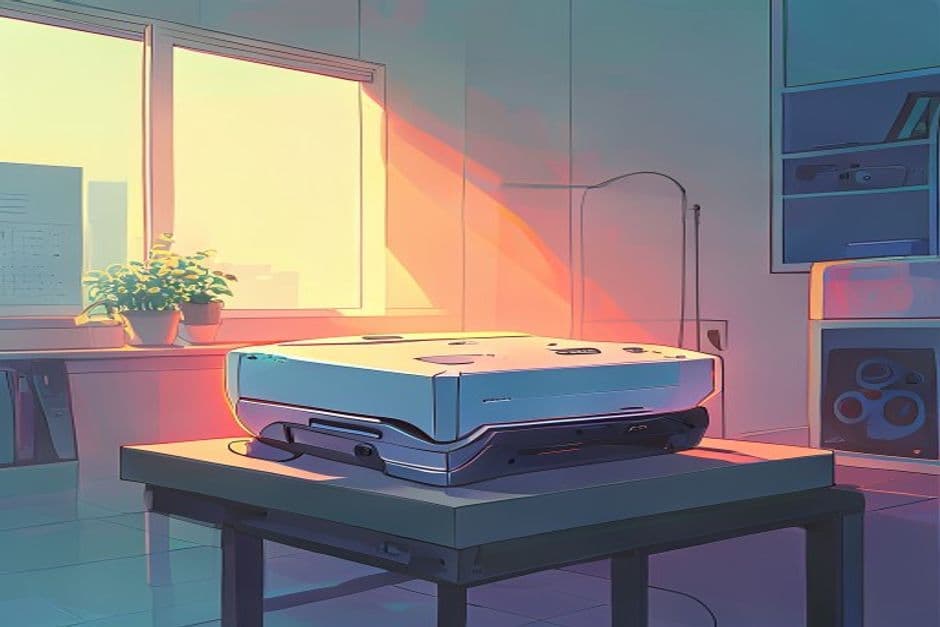
Strip a game down to a 256-color palette and a four-button controller and you can't hide a weak idea behind a particle effect. That constraint is exactly why so many retro classics still feel sharper than games with a thousand times the budget.
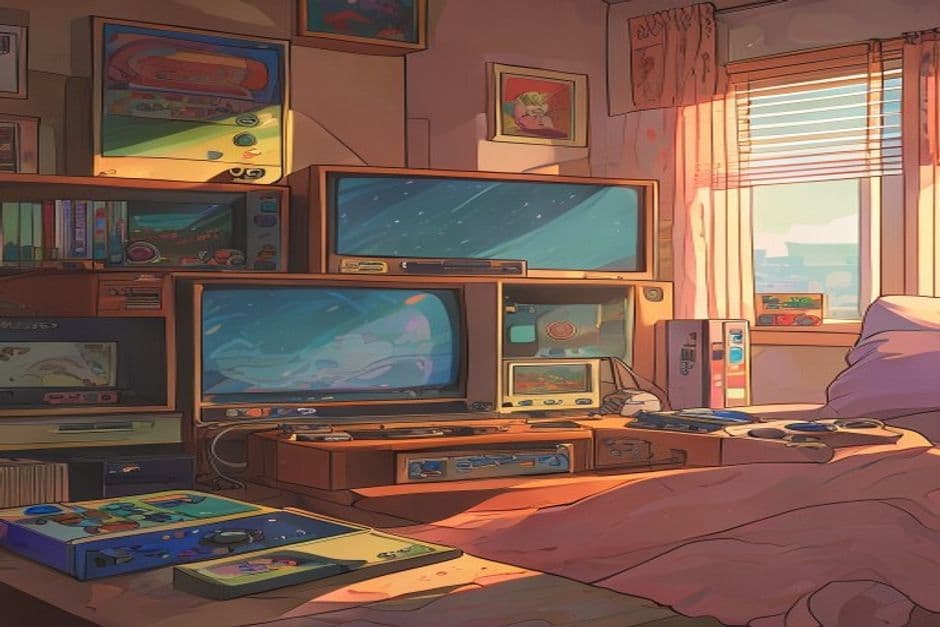
Constraint as a design teacher
When you only have a handful of pixels to communicate a threat, every silhouette has to read instantly. That discipline produced visual languages so clear that players understood them without a tutorial. Modern UX teams pay consultants to rediscover this.
- ✓Readable silhouettes over photoreal detail.
- ✓Tight feedback loops measured in frames, not cutscenes.
- ✓Difficulty that teaches instead of gatekeeps.
“Every modern 'innovation' in game feel, we found, was already solved on a cartridge in 1991. We just had to go look.”
— Neon Syndicate design retrospective
Retro isn't a style to imitate — it's a set of lessons to internalize. The games that age best, old or new, are the ones that respect the player's attention.