For years, VR's pitch ended at 'try it, it's amazing' — and began its decline about twenty minutes later when the headset got heavy and the player got queasy. The technology was magic in short bursts and a chore in long ones. That equation finally changed.
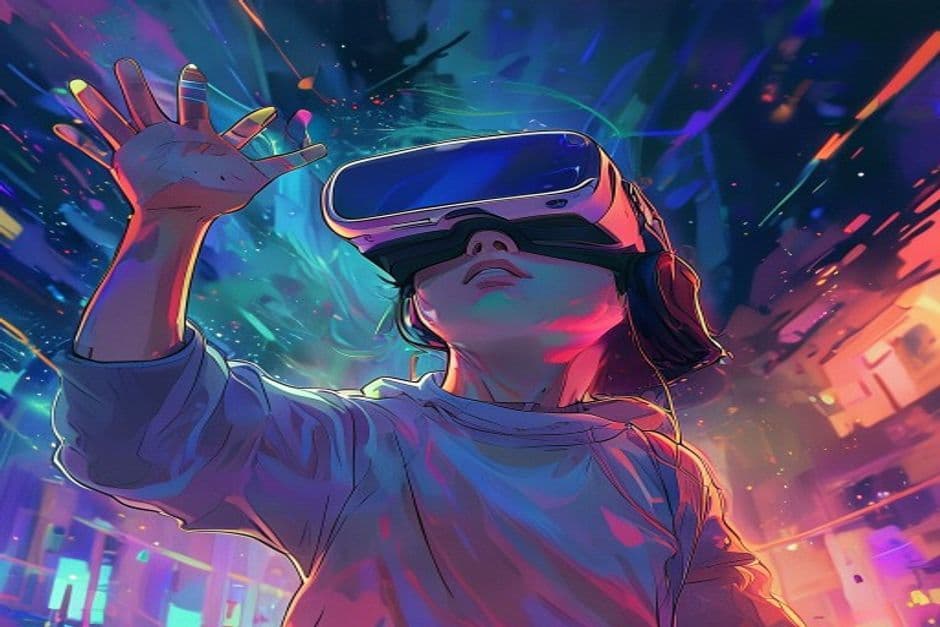
Comfort is a design problem, not just a hardware one
Better headsets helped, but the bigger shift was developers taking motion sickness seriously as a craft. Vignetting during turns, snap locomotion options, and honest session lengths did more for adoption than any resolution bump.
- ✓Locomotion options that respect different tolerances.
- ✓UI anchored to comfort, not spectacle.
- ✓Experiences designed around 30-minute sessions, not 3-hour marathons.
“We stopped asking 'how immersive can we make this?' and started asking 'will they want to put it back on tomorrow?'”
— VR partner studio, NexusPlay
The result is a platform people actually live with. When the friction disappears, immersion stops being a party trick and starts being a place you choose to spend your evening.